What Are Foreign Investors Looking for in Istanbul? The New Focal Point of Global Capital
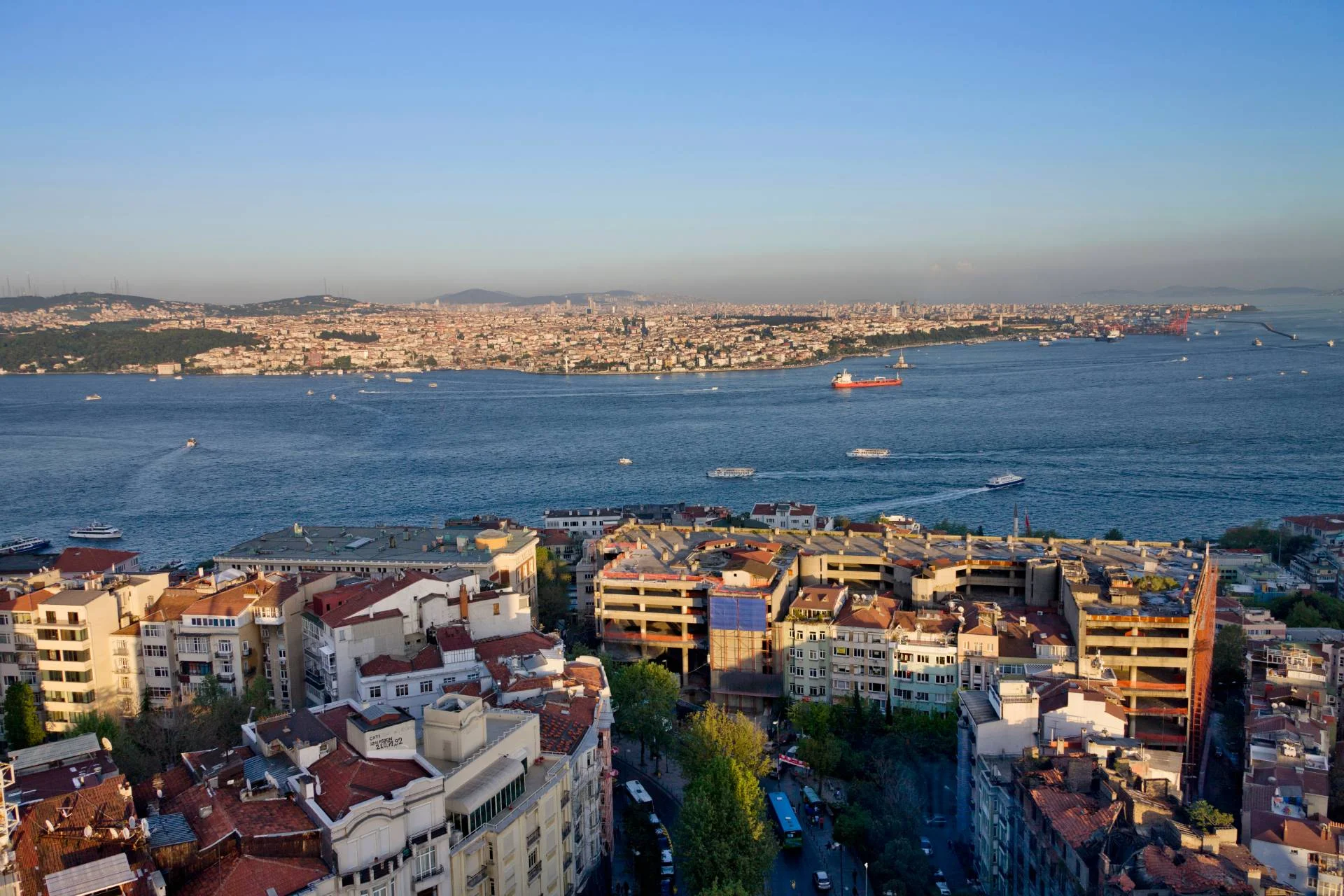
In the constantly shifting dynamics of the global economy, the direction of global capital is evolving toward new geographies every day. With its unique geopolitical position connecting Asia and Europe, Istanbul is not merely a historical and cultural capital; it has transformed into a strategic financial and commercial hub for international investors. The answer to the question "What is the foreign investor looking for in Istanbul?" is hidden within the multi-layered opportunity ecosystem the city offers. This ecosystem covers a vast spectrum, ranging from high-yield real estate projects to tech startups reaching multi-billion dollar valuations, and from Islamic finance instruments to industrial production capacities.
Increasing competition in global markets directs investors not only to seek safe havens but also to dynamic markets that offer high growth potential. Istanbul is one of the rare megacities capable of meeting both expectations simultaneously. With its robust infrastructure investments, young and dynamic population, favorable exchange rate dynamics, and encouraging legal regulations, it acts as a magnet for foreign capital. In this comprehensive guide, we will deeply analyze the primary motivations of foreign investors in the Istanbul market, the sectors they focus on, and their strategic expectations.
The Real Estate Sector: A Safe Haven and High Return Potential
Undoubtedly, real estate is at the forefront of sectors with the highest concentration of foreign investment in Istanbul. The city's ever-growing population and massive urban transformation projects keep the real estate market vibrant at all times. For foreign buyers, real estate is not just a physical asset; it is a strategic financial maneuver.
Turkish Citizenship by Investment
One of the biggest catalysts driving foreign investors to the Istanbul real estate market is the Turkish citizenship program, offered in exchange for a property purchase of $400,000 USD. This program provides investors not only with a profitable property but also with a powerful passport that grants global mobility. For investors from the Middle East, Asia, and Eastern Europe, establishing a living space in Istanbul means building a safe future for their families while managing their international business activities with greater flexibility.
Rental Yields and Rapid Amortization Periods
Compared to other major metropolises in Europe, Istanbul stands in a highly competitive position in terms of the return on investment (amortization) period of real estate assets. Particularly, areas close to Central Business Districts (CBD), intersection points of transportation networks (metro, Marmaray), and prestigious locations like the Bosphorus line promise high rental returns. Short-term rental models (e.g., tourism-oriented accommodations) and the heavy demand from the student and expatriate population ensure satisfying rental incomes, even on a foreign currency basis.
Luxury Residences, Bosphorus Mansions, and Commercial Property
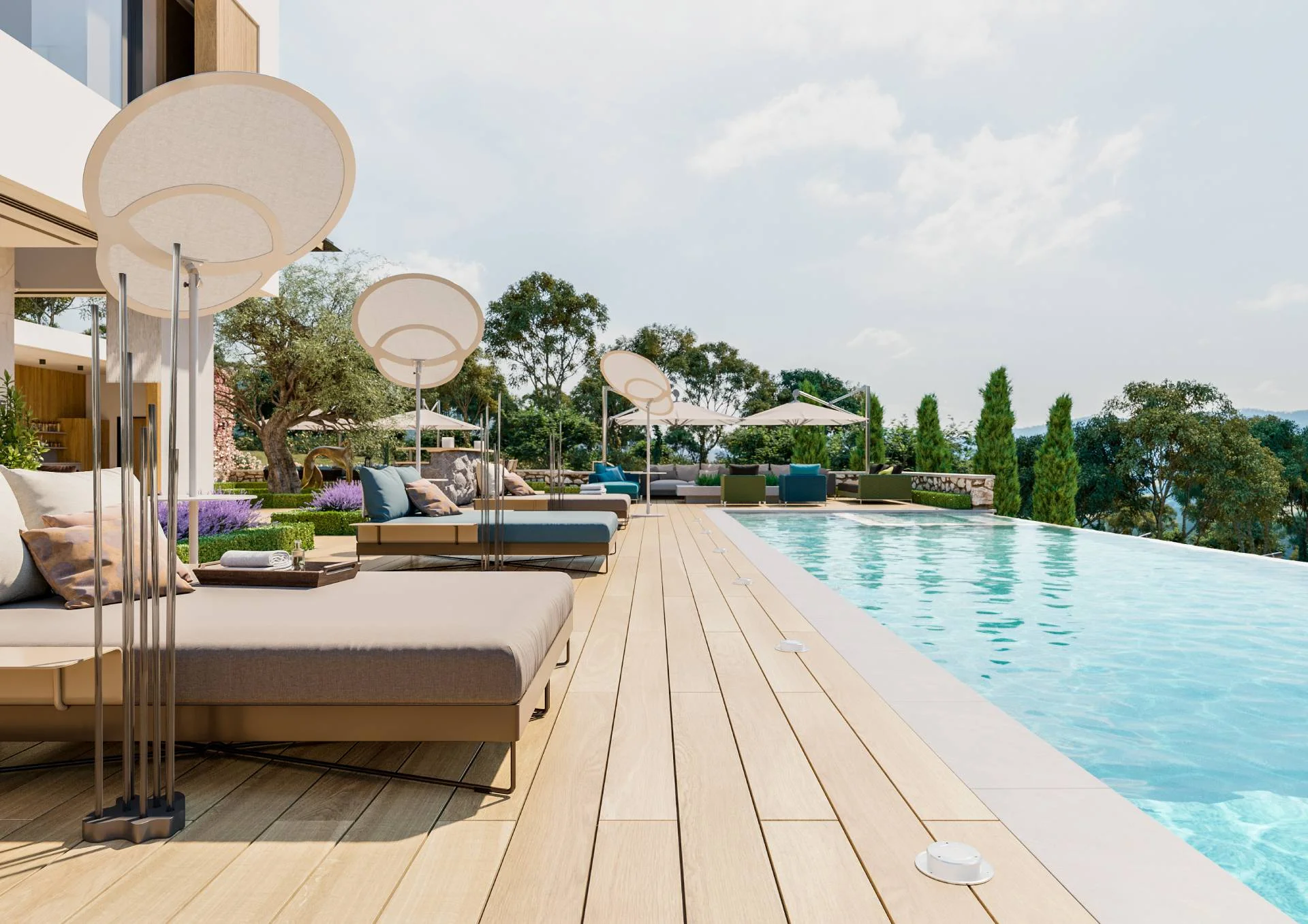
As the investor profile diversifies, so do the types of real estate demanded. While institutional investors lean toward Class A office buildings, logistics centers, and retail spaces; individual upper-segment investors prefer luxury penthouses with Bosphorus views, historical mansions (Yalı), and branded residential projects equipped with smart home technologies. Regions undergoing urban transformation are on the radar of investors with high risk appetite who wish to maximize capital appreciation by entering projects at the construction phase.
"A property in Istanbul is not just a shelter; when managed correctly, it is a financial instrument that generates dual-income by seamlessly transitioning between stable long-term tenancy and high-season short-term rentals."
Istanbul Finance Center (IFC) and Global Integration
Another crucial element that foreign capital seeks in Istanbul is a reliable, transparent financial infrastructure that operates by international standards. In this context, the newly launched Istanbul Finance Center (IFC) project is redefining the city's position in the global financial hierarchy.
Participation Finance and Gulf Capital
Interest-free financing models carry immense importance, especially for investors from the Gulf region (Qatar, UAE, Saudi Arabia, etc.). Istanbul is rapidly advancing to become one of the region's strongest hubs for participation banking, Islamic investment funds, Takaful (Islamic insurance), and Sukuk issuances. Aligning legal and tax infrastructures with international standards allows billions of dollars of Islamic funds to be deployed in Istanbul rather than London or Dubai.
Capital Markets and Alternative Investment Funds
Beyond real estate or direct corporate acquisitions, institutional investors show intense interest in publicly traded companies on Borsa Istanbul (BIST), government and corporate bonds, and Venture Capital Investment Funds (GSYF). The stocks of companies reflecting Turkey's industrial production power, in particular, offer an attractive portfolio diversification for long-term value investors.
Technology, IT, and a Dynamic Startup Ecosystem
Today, foreign angel investors and global Venture Capital firms view Istanbul as one of the strong candidates for Europe's new Silicon Valley. The city has secured a solid place on the global technology map, particularly with the "Unicorn" (or "Turcorn" as branded in Turkey) companies it has produced in recent years.
- Gaming Industry: Istanbul has become a worldwide "hub" for mobile game development. Its young population of software developers and creative talent pool have prompted international giants to make multi-billion dollar acquisitions.
- Financial Technologies (FinTech): The sophistication of the banking infrastructure makes Istanbul a perfect test market for payment systems, digital wallets, and open banking initiatives.
- E-Commerce and Rapid Delivery: Quick commerce (q-commerce) models that are now exported worldwide were born in Istanbul, drawing the attention of global investors to this metropolis.
Foreign tech investors are not merely looking for cheap labor; they are searching for innovative ideas, agile work cultures, and startups capable of rapidly scaling to global markets. Istanbul's technoparks and incubation centers provide a perfect response to this quest.
Strategic Production and Global Supply Chain Center
The disruptions in global supply chains during the post-pandemic era have pushed multinational companies to diversify their production centers. The "nearshoring" trend has dramatically increased the importance of industrial zones in and around Istanbul.
Advanced Industrial Infrastructure
Istanbul and the Marmara Region possess a deep-rooted production tradition in areas such as automotive, textiles, machinery, defense industries, and chemicals. Foreign companies position Istanbul not just as a consumer market, but as a giant factory from which they can export to Europe, the Middle East, and North Africa (MENA) markets utilizing Customs Union advantages. A highly qualified engineering workforce and advanced logistics networks (seaports, air cargo hubs, highways) are the main pillars supporting this production power.
Global Leadership in Tourism and Medical Tourism
Istanbul is one of the most visited cities globally. This immense tourism potential attracts direct foreign investments specifically targeted at the hospitality and service sectors.
Boutique Hotels and Luxury Accommodation
Restored historical buildings in regions such as the Historical Peninsula, the Bosphorus line, and Beyoğlu are being transformed into luxury boutique hotels operated by international chains. Global tourism giants aim to secure a steady cash flow by capitalizing on Istanbul's ability to attract tourists 12 months a year.
The Medical Tourism Magnet
Turkey's modern healthcare infrastructure and specialized physicians have turned Istanbul into a global health base. Hundreds of thousands of patients arriving from Europe, the USA, and Arab countries for procedures like hair transplantation, aesthetic surgery, dental treatments, and oncology inject a massive amount of foreign currency into the health sector. Foreign capital is making serious investments not only in hospitals but also in medical tourism agencies, medical device manufacturers, and software companies operating in this niche.
Exchange Rate Dynamics and Purchasing Power Advantage
When analyzing global macroeconomic balances, the foreign currency-based pricing of assets in Turkey creates a massive purchasing power parity advantage for foreign investors holding strong currencies (USD, EUR, GBP). An investment made with the right timing offers a low entry cost in the short term while producing high Capital Return on Investment (ROI) in the medium-to-long term as asset values converge with global standards.
Critical Steps Investors Must Pay Attention To
For foreign investors to conduct a successful and sustainable investment process in Istanbul, it is essential to pay attention to several strategic steps:
- Collaborating with Local Experts: Investors must work with institutional local advisors, law firms, and real estate valuation experts who can best analyze market dynamics, legal legislations, and tax advantages.
- Discovering the Locations of the Future: Rather than investing in already priced-in central areas, allocating capital to developing axes where new metro lines, infrastructure projects (e.g., new highway connections or airport surroundings), and technology zones are emerging will maximize the yield rate.
- Sectoral Diversification: Instead of tying all capital to a single sector, mitigating risk by distributing funds across real estate, solid dividend-paying companies via BIST, or technology-focused funds is a much healthier approach.
- Monitoring Legal Regulations: The conditions of the citizenship program, foreign ownership laws, and corporate tax incentives can be updated over time. Real-time monitoring of these changes carries strategic importance.
Conclusion: Positioning at the Center of the Future
In conclusion, the answer to the question "What is the foreign investor looking for in Istanbul?" is crystal clear: Dynamism, growth potential, a strategic bridge, and profitability. Istanbul is not merely a city; it is a colossal platform that merges the wisdom of the East with the business discipline of the West. Every investment nourished by accurate data, shaped by expert analysis, and executed with a long-term vision finds its reward in this metropolis. Global capital's interest in Istanbul is not a passing trend but a new reflection of the city's historical mission in the modern digital and financial age.